August 3, 2026
A heating and cooling system that runs inefficiently doesn't just struggle to keep a home comfortable—it quietly drains money every month it goes unaddressed. Many homeowners assume that as long as their system is producing warm or cool air, it must be working properly. In reality, worn components, clogged filters, and aging parts can cause a system to work far harder than necessary to reach the same temperature setting. This added strain translates directly into higher energy bills and a shorter equipment lifespan. Understanding how targeted repairs restore efficiency—and knowing when to call in a trusted HVAC company—can help homeowners avoid unnecessary waste while extending the life of their equipment. This post breaks down the connection between repairs and energy performance, the warning signs to watch for, and why professional expertise makes all the difference.
Understanding the Link Between HVAC Repairs and Energy Efficiency
Every HVAC system is engineered to operate within a specific efficiency range, but that performance depends on all of its components working in sync. When even one part—a refrigerant line, a blower motor, a thermostat sensor—starts to fail, the entire system compensates by working harder. This added strain increases energy consumption, sometimes significantly, without necessarily producing better heating or cooling results. Over time, small inefficiencies compound, leading to inflated utility bills and premature wear on other components. A qualified HVAC company can diagnose these issues before they escalate, identifying which parts are pulling the whole system off balance. Addressing these problems early through professional repair isn't just about comfort; it's a direct investment in long-term energy savings.
Identifying Common Issues That Drain Energy
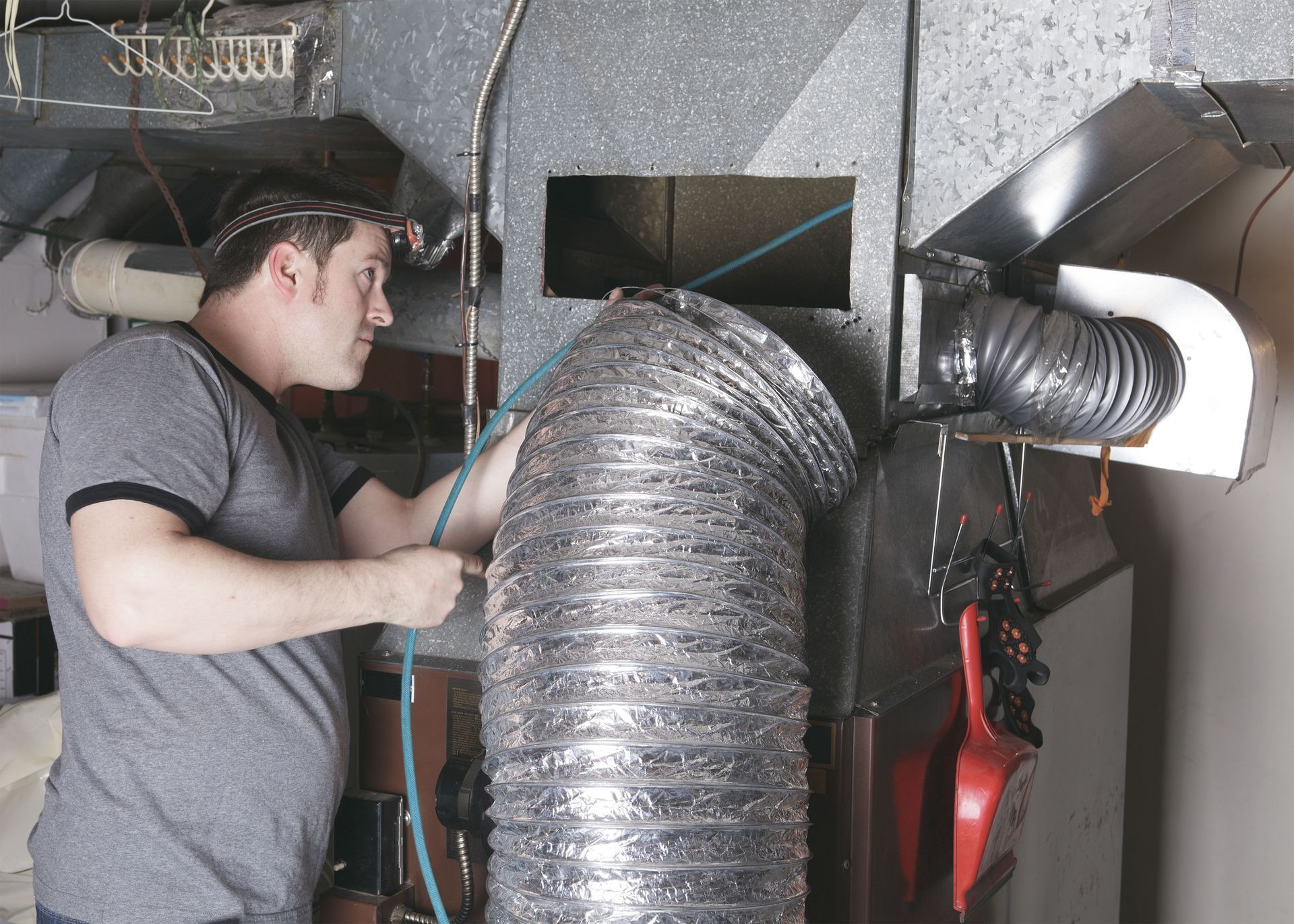
Several recurring problems tend to be the biggest culprits behind energy waste in residential systems. Dirty or clogged air filters restrict airflow, forcing the blower motor to work overtime just to maintain adequate circulation. Leaking ductwork allows conditioned air to escape into attics, crawl spaces, or walls before it ever reaches its destination, meaning the system has to run longer to compensate. Refrigerant leaks reduce a system's ability to transfer heat efficiently, while faulty thermostats can cause a unit to cycle inconsistently or run when it isn't needed. Aging capacitors and worn belts add mechanical resistance that increases electricity draw. Individually, these issues might seem minor, but together they can account for a substantial percentage of a home's total energy usage. Recognizing these warning signs early—rising bills, uneven temperatures, unusual noises—gives homeowners the opportunity to schedule repairs before a small inefficiency becomes a costly breakdown.
Restoring Performance Through Professional Repairs
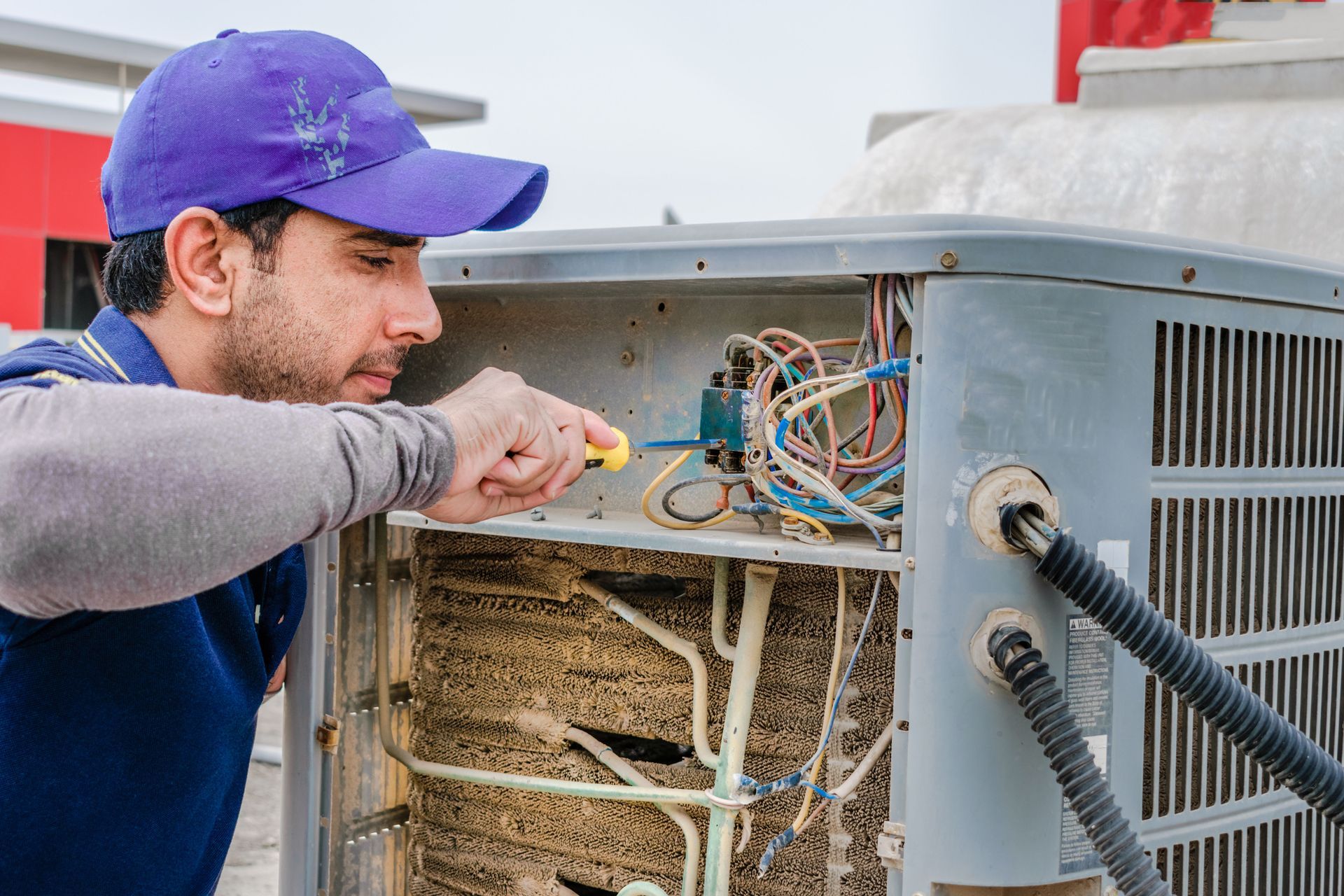
Once an issue is identified, professional repair work is what actually restores a system's efficiency rather than simply masking the symptoms. A trained technician doesn't just replace a broken part; they evaluate the system as a whole to ensure airflow, refrigerant levels, and electrical components are all functioning within manufacturer specifications. This comprehensive approach matters because a system that's only partially repaired may still be operating well below its rated efficiency. Sealing duct leaks, recharging refrigerant to the correct level, replacing worn electrical components, and recalibrating thermostats are all repairs that directly reduce the energy required to heat or cool a home. Homeowners who work with an experienced HVAC company benefit from repairs that are diagnosed accurately the first time, which reduces the likelihood of repeat service calls and ensures the system is truly restored to peak performance rather than temporarily patched.
Selecting the Right HVAC Company for Lasting Results
Not all repair work delivers the same long-term value, which makes choosing the right provider one of the most important decisions a homeowner can make. A reputable HVAC company brings more than technical know-how—they bring the diagnostic tools, manufacturer training, and industry experience needed to catch issues that might otherwise go unnoticed. This matters because inefficient or incomplete repairs can leave underlying problems in place, allowing energy waste to continue even after a service visit. When evaluating an HVAC company, homeowners should look for licensed and insured technicians, transparent pricing, and a track record of thorough diagnostics rather than quick fixes. Asking about warranties on parts and labor is also worth the conversation, since a confident provider will stand behind their repair work. Investing the time to select a qualified HVAC company pays off through fewer repeat issues, more accurate diagnostics, and a system that performs efficiently for years to come.
Maintaining Efficiency With Regular Upkeep
Repairs solve immediate problems, but consistent maintenance is what keeps a system operating efficiently over the long haul. Routine tune-ups—filter changes, coil cleaning, refrigerant checks, and electrical inspections—catch small issues before they turn into costly repairs or full system failures. This proactive approach matters more than many homeowners realize. According to ConsumerAffairs, U.S. households replace an average of three million heating and cooling systems annually, a figure that reflects how quickly deferred maintenance and overlooked repairs can shorten a system's usable life. Partnering with an HVAC company for seasonal maintenance visits helps homeowners avoid becoming part of that statistic by extending equipment lifespan and preserving energy efficiency year-round. A well-maintained system not only uses less energy but also reduces the frequency and severity of future repairs, creating a cycle of reliability rather than one of constant troubleshooting.
Exploring the Long-Term Value of Energy-Efficient Systems
Beyond monthly utility savings, an energy-efficient HVAC system contributes to a home's overall value and comfort consistency. Systems that run efficiently experience less mechanical stress, which reduces the likelihood of unexpected breakdowns during extreme weather when repairs are hardest to schedule. Efficient systems also maintain steadier indoor temperatures, eliminating the hot and cold spots that often signal an overworked unit. For homeowners planning to sell in the future, a well-maintained system serviced by a reputable HVAC company can even serve as a selling point, signaling to buyers that the home has been cared for and won't come with looming replacement costs.
Why Professional Expertise Makes the Difference
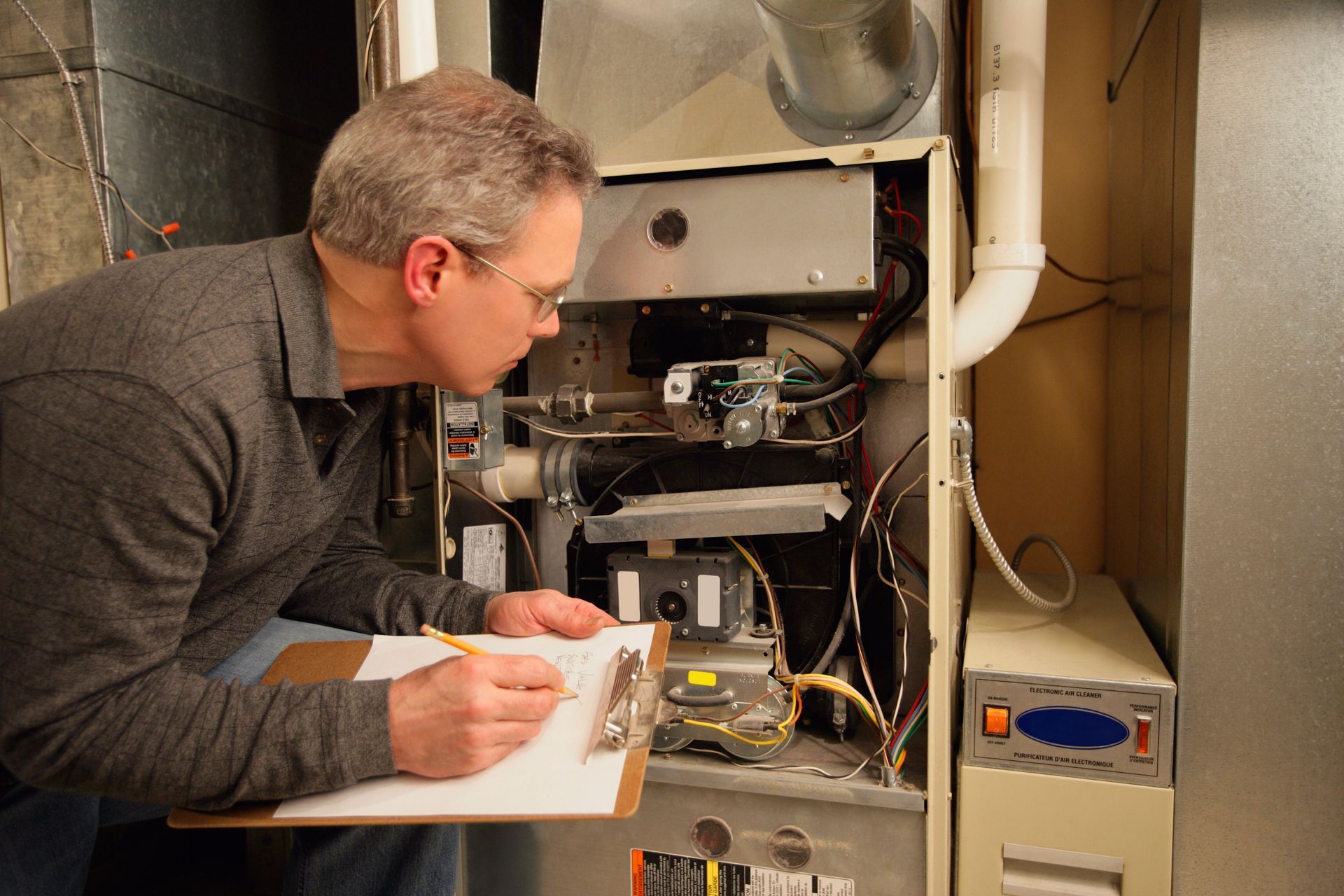
While some homeowners are tempted to handle basic HVAC troubleshooting themselves, energy efficiency repairs typically require specialized knowledge that goes beyond surface-level fixes. Beyond safety, professionals have access to diagnostic equipment—combustion analyzers, refrigerant gauges, airflow meters—that can pinpoint inefficiencies invisible to the untrained eye. Working with a licensed HVAC company ensures repairs are performed to code and backed by manufacturer-approved methods, which also helps protect existing warranties that could otherwise be voided by improper DIY work. For homeowners serious about maximizing energy efficiency, professional expertise isn't an optional upgrade—it's the foundation that makes every other efficiency effort worthwhile.
Energy efficiency isn't just about upgrading to a newer system—it's about ensuring the one already in place is running the way it was designed to. From clogged filters to failing capacitors, small issues can quietly inflate energy bills until they're addressed by a qualified professional. Regular maintenance, prompt repairs, and a trusted provider all work together to keep a system operating at its best, saving money and extending equipment life in the process. If your heating or cooling system has been running longer, louder, or less effectively than it used to, don't wait for a full breakdown to take action. We at Tropic Air Heating and Cooling are ready to diagnose the issue, restore your system's efficiency, and help you avoid the costly cycle of premature replacement—reach out to us today to schedule a repair or maintenance visit.